Bookmaker Selection and Account Management for Champions League Betting
 Available in US
The bookmaker you use directly affects your betting profitability. Two bettors with identical analytical skill will produce different returns based on odds quality, market access, and account management. Professional bettors maintain accounts across multiple operators, systematically capture the best available odds, and navigate the practical challenges of withdrawal processing and account limitations. For Champions League betting specifically, bookmaker selection determines access to markets, price competitiveness, and long-term sustainability of your betting activity.
Bookmakers are businesses that profit from betting activity. Understanding their business model clarifies why odds vary between operators, why accounts get restricted, and how to optimize your bookmaker relationships. Bookmakers make money through the margin embedded in odds – the gap between true probability and implied probability creates their edge. However, different operators pursue different strategies: some seek high volume through competitive odds; others target recreational bettors with poorer prices but attractive promotions.
The landscape of online betting continues evolving through regulation, consolidation, and technological development. What constitutes “best practice” for account management changes as bookmakers refine their approaches to customer segmentation and profitability management. Developing awareness of industry dynamics helps navigate these changing conditions.
Table of Contents
Evaluating Bookmaker Quality
Odds quality represents the most important factor for serious bettors. Bookmakers with lower margins offer better prices that directly increase your returns. A bettor consistently capturing 1% better odds on every bet accumulates substantial advantage over thousands of bets. Odds comparison sites reveal which bookmakers consistently offer competitive prices across different markets and sports.
Market coverage determines what you can bet on. Some bookmakers offer extensive alternative markets – Asian handicaps, player props, first-half lines – while others focus on basic 1X2 and totals. For Champions League betting, ensure your bookmakers offer the specific markets your strategy targets. An operator with excellent match result odds provides no value if your edge exists in corner markets they do not offer.
Liquidity affects large-stake bettors. Some bookmakers accept substantial bets at quoted prices; others limit stakes significantly, especially for sharp market segments. If your bankroll supports four-figure stakes, verify that your bookmakers can accommodate your betting volume without severe restrictions.
Payout reliability should be non-negotiable. Use only licensed, regulated bookmakers with established reputations for honoring withdrawals. The betting industry includes some operators who delay or contest legitimate payouts; avoiding these operators protects your bankroll from non-betting losses.
Building a Bookmaker Portfolio

Serious bettors maintain accounts across multiple bookmakers rather than concentrating activity with single operators. This portfolio approach captures better odds through line shopping, provides backup options when primary accounts face restrictions, and enables arbitrage opportunities when price discrepancies emerge.
For Champions League betting, consider including a mix of bookmaker types: traditional European operators with strong football coverage; Asian bookmakers with competitive football odds and high limits; exchange platforms where you trade against other bettors rather than against the house. Each category offers distinct advantages for different aspects of your betting strategy.
Registration across multiple bookmakers requires managing login credentials, deposited funds, and withdrawal processing. Use password managers to maintain security across numerous accounts. Keep records of deposited amounts and account balances to track overall bankroll position.
Geographic restrictions affect bookmaker access. Depending on your location, some operators may be unavailable due to licensing constraints. Research which bookmakers accept customers from your jurisdiction and hold appropriate regulatory authorization.
Line Shopping Implementation
Line shopping – systematically finding the best available odds before placing bets – provides guaranteed improvement to your returns without requiring improved prediction accuracy. If your model gives 55% probability to an outcome, betting at 2.10 versus 1.95 substantially affects expected value even though your underlying analysis remains identical.
Odds comparison websites aggregate prices across bookmakers, enabling rapid identification of best available odds. Bookmark comparison sites relevant to your target markets; check them before every bet to identify optimal pricing.
Timing affects line shopping value. Odds can move significantly between bookmaker release and match kickoff. Sometimes early prices offer value before markets adjust; sometimes late movement creates opportunities as information develops. Track how odds evolve for the markets you target to identify optimal betting timing.
For Champions League matches, major bookmakers typically release odds several days before fixtures. This extended availability provides time for thorough line shopping. Compare prices across your bookmaker portfolio before committing stakes.
Account Management Challenges
Winning bettors face account restrictions from many bookmakers. Operators monitor customer profitability and often limit stakes or close accounts for consistently profitable bettors. This creates practical challenges for sustainable betting activity.
Account limitations typically manifest as reduced maximum stakes, restricted market access, or complete account closure. Bookmakers implement these measures because winning bettors reduce their profitability. While frustrating, this represents rational business behavior from operators’ perspective.
Managing restriction risk involves distributing activity across bookmakers to avoid triggering limitations at any single operator. Betting exclusively on value-rich markets while ignoring recreational-popular markets signals sophisticated betting that attracts bookmaker attention. Some bettors deliberately include some recreational-style bets to mask sharp activity.
When accounts become restricted, explore whether partial access remains useful. Some bookmakers limit stakes to levels that remain worthwhile for smaller bets; others restrict so severely that accounts become practically unusable. Maintain records of restriction status across your portfolio.
Deposit and Withdrawal Management
Efficient fund management across multiple accounts affects practical betting execution. Having funds available at the right bookmaker when opportunities emerge requires planning; discovering that your best-odds bookmaker has insufficient balance when you want to bet represents a missed opportunity.
Deposit methods vary by bookmaker and jurisdiction. Credit cards, e-wallets, bank transfers, and cryptocurrency each offer different tradeoffs between speed, fees, and availability. Understand which methods work for your situation and bookmaker portfolio.
Withdrawal processing times and potential fees affect actual returns. Some bookmakers process withdrawals within hours; others require days. Some charge fees for certain withdrawal methods. Factor these practical considerations into your bookmaker evaluation.
Maintain sufficient liquidity across your primary bookmakers to avoid forced betting at suboptimal operators due to fund positioning. This might mean keeping minimum balances across several accounts rather than concentrating funds where they cannot be deployed optimally.
Bonuses and Promotions
Bookmaker bonuses can provide genuine value but require careful evaluation. Welcome bonuses typically require wagering turnover before withdrawal; calculating whether turnover requirements make bonuses profitable depends on expected loss during wagering versus bonus value received.
Ongoing promotions – enhanced odds, profit boosts, free bet offers – provide value when terms make them mathematically favorable. Evaluate promotional terms carefully; some offers provide genuine edge while others represent marketing with minimal actual value.
Champions League matches attract promotional activity from bookmakers seeking engagement with high-profile fixtures. Enhanced odds on popular teams, accumulator insurance, and other promotions sometimes offer edge worth capturing, though scrutinizing terms remains essential.
Do not let promotional seeking distort your betting strategy. Bonuses provide supplementary value when captured alongside your normal betting activity; restructuring your approach to chase marginal promotional value typically proves counterproductive.
Betting Exchanges
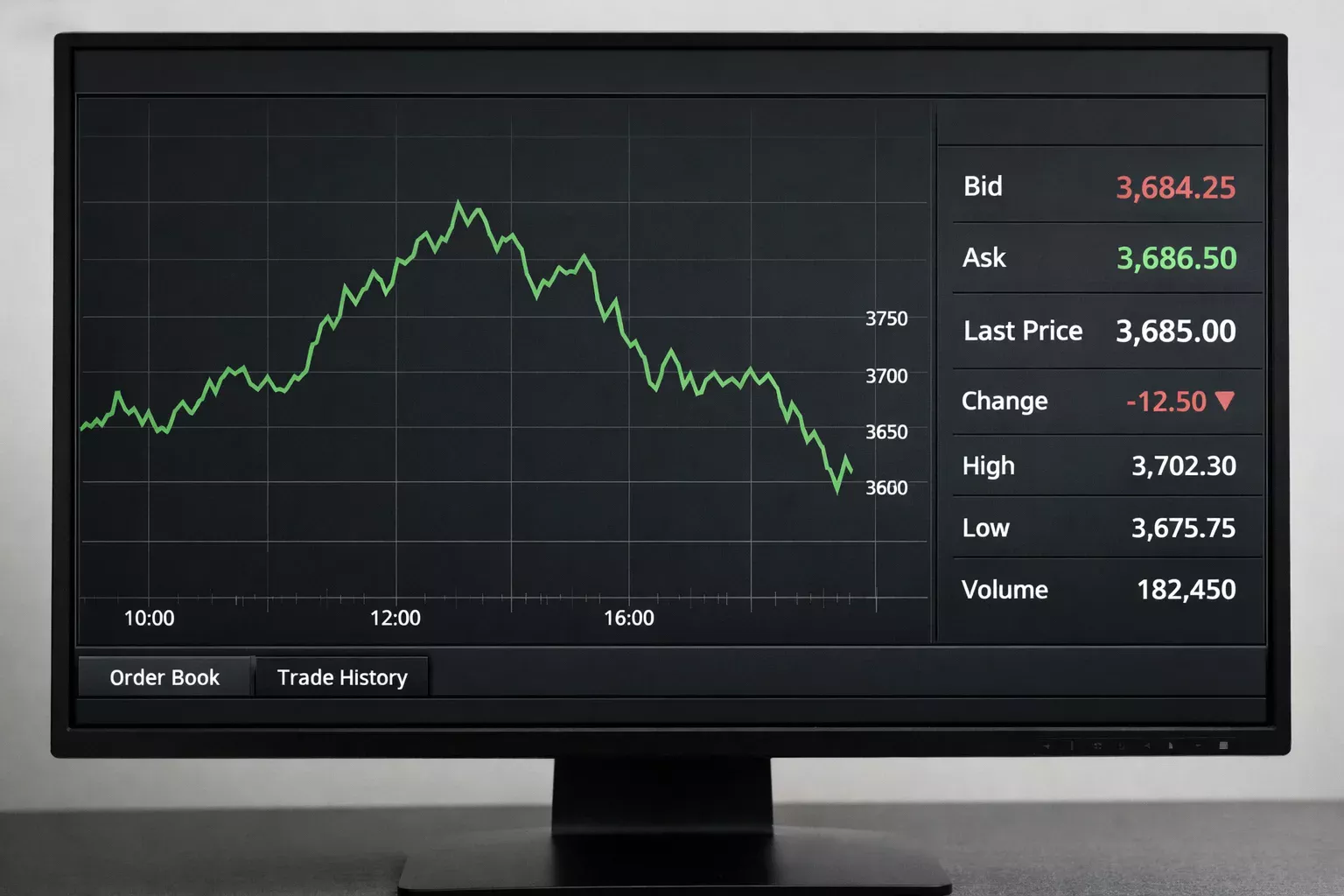
Exchanges represent an alternative to traditional bookmakers, allowing bettors to trade against each other rather than against the house. Platforms like Betfair operate by matching opposing positions and charging commission on net winnings rather than embedding margin in odds.
Exchange odds often exceed bookmaker prices because they represent true market consensus without house margin. However, liquidity varies – popular markets offer substantial liquidity while obscure markets might lack counterparties willing to trade at your desired price.
For Champions League betting, exchange liquidity on main markets typically supports significant stakes. Match results, over/under goals, and some Asian handicaps attract sufficient trading volume. More exotic markets may lack liquidity, forcing use of traditional bookmakers.
Exchanges enable laying (betting against outcomes) as well as backing. This functionality supports hedging strategies, trading positions as odds move, and capturing value on outcomes you believe are overvalued. Developing exchange proficiency expands your betting toolkit.
Long-Term Sustainability
Sustainable betting activity requires navigating the tension between bookmaker profitability management and your betting needs. Purely optimal behavior – always capturing best odds, only betting when value exists – maximizes short-term returns but accelerates account restrictions.
Some bettors accept slightly suboptimal odds at bookmakers offering better long-term account sustainability. This tradeoff makes sense when account access has value beyond individual bets – maintaining relationships with high-limit operators may justify occasionally accepting marginally worse prices.
Develop new bookmaker relationships as existing accounts become restricted. The betting market continues producing new operators; maintaining awareness of emerging options provides replacement capacity as established accounts face limitations.
Document your bookmaker experiences – which operators offer competitive odds, which restrict quickly, which process withdrawals reliably. This accumulated knowledge enables better portfolio decisions and helps avoid operators whose practices make them unsuitable for serious betting.
Practical Recommendations
Start with odds comparison as your foundation. Before placing any bet, verify you are capturing competitive pricing. The discipline of systematic line shopping provides immediate, guaranteed improvement to returns.
Build your bookmaker portfolio gradually. Open accounts as needed rather than registering everywhere immediately. This measured approach distributes activity over time and avoids creating unused accounts that might complicate future management.
Prioritize regulated, reputable operators. The value of competitive odds means nothing if bookmakers do not honor winning bets. Accept slightly worse pricing from reliable operators over theoretically better prices from questionable ones.
Accept account restrictions as an inevitable cost of successful betting. Plan for restrictions by maintaining portfolio breadth; when specific accounts become limited, alternatives remain available. Professional bettors treat restriction management as an ongoing operational challenge rather than an unexpected setback.