Champions League Team News Betting Markets
 Available in US
Information asymmetry creates betting market inefficiencies, and nowhere is this more apparent than in team news and lineup analysis. The period between when injury information becomes available and when bookmakers fully adjust odds represents a window where informed bettors can capture value. Champions League football, with its compressed schedules and high stakes, produces constant team news developments that affect match outcomes – and betting markets that cannot always adjust instantaneously to every development.
The challenge lies not merely in obtaining team news but in accurately assessing its impact. A star striker’s absence might seem devastating, but if his replacement has scored in three consecutive substitute appearances, the actual impact may be modest. Conversely, losing an unglamorous defensive midfielder might barely register in headlines yet fundamentally alter a team’s tactical structure. Developing frameworks for evaluating team news impact – rather than merely reacting to names – separates sophisticated analysis from casual following.
Champions League fixtures receive intense media scrutiny that makes major team news widely available. The analytical edge comes not from exclusive information but from superior interpretation of public information. Understanding how specific absences affect specific teams against specific opponents creates nuanced assessments that generic “key player missing” reactions cannot match.
Table of Contents
Sources and Timing
Official club communications provide authoritative injury information but often arrive too late for betting advantage. Clubs typically confirm lineups one hour before kickoff; by then, markets have usually adjusted to anticipated team news. Pre-match press conferences, held one or two days before fixtures, offer earlier information but often feature deliberate vagueness from managers protecting tactical advantages.
Reliable journalists specializing in specific clubs often break team news before official confirmation. Building familiarity with trusted reporters for clubs you regularly analyze enables earlier access to reliable information. Italian journalists covering Serie A clubs, Spanish reporters embedded with La Liga teams, and English media with Premier League connections often provide accurate injury updates hours or days before official announcements.
Training session observations provide clues about potential absences. Some clubs hold open training sessions where journalists can observe who participates fully, who trains apart from the group, and who appears absent entirely. Social media accounts that report training news can alert you to potential team news developments before formal announcements.
The timing of your betting relative to team news affects available value. Betting immediately after reliable reports but before official confirmation captures maximum odds movement potential but carries risk if reports prove inaccurate. Betting after official confirmation offers certainty but typically worse odds as markets have adjusted. Your timing strategy should reflect your confidence in specific sources and your tolerance for information risk.
Evaluating Injury Impact
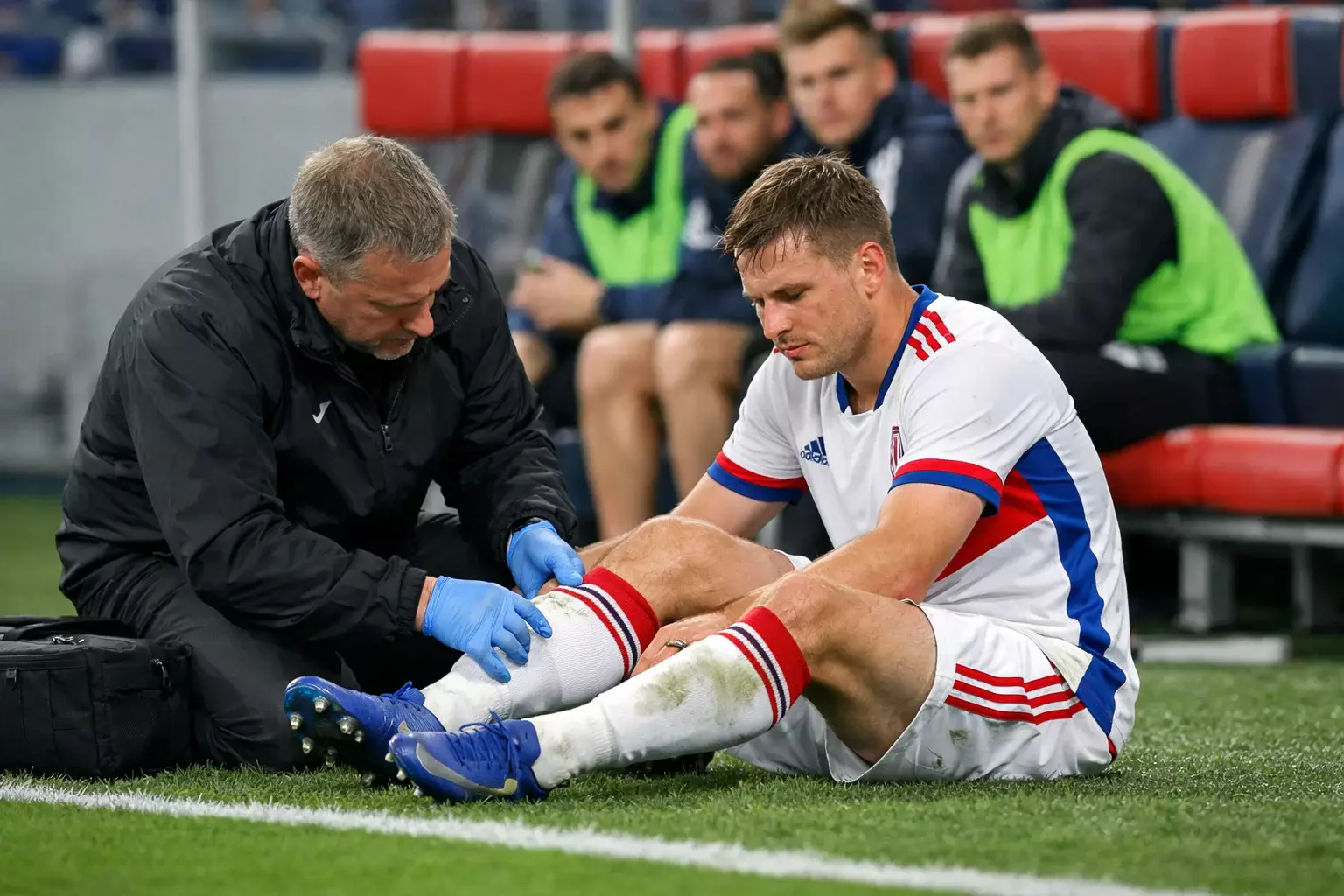
Not all absences carry equal weight. Assessing injury impact requires understanding both the missing player’s importance and the quality of available replacements. A club losing their first-choice left-back matters less if the backup is an experienced international than if he is an untested youth player.
Positional importance varies by tactical system. Losing a central midfielder in a possession-based system that relies on controlled build-up play affects match dynamics more than losing a central midfielder in a direct, counter-attacking system. Understand how specific teams construct their play and which positions are most critical to their approach.
Player quality relative to replacement quality determines practical impact. When elite clubs lose starters, they often have expensive, capable replacements who can perform at near-equivalent levels. When clubs with thinner squads lose key players, the quality drop-off to replacements can be substantial. Evaluate replacement quality rather than assuming all absences damage teams equally.
Tactical adaptability of managers influences how well teams cope with absences. Some managers excel at adjusting systems to accommodate missing players; others rely rigidly on preferred approaches that suffer when key personnel become unavailable. Historical analysis of team performance with and without specific players helps assess managerial adaptability.
Suspension Analysis
Yellow card accumulation creates predictable suspension risks. In the Champions League, three yellow cards across league phase matches triggers a one-match suspension; additional thresholds apply as the tournament progresses. Tracking players approaching suspension thresholds helps anticipate which key figures might be unavailable for upcoming fixtures.
Players on yellow card warnings sometimes receive tactical instructions to avoid challenges that might produce bookings, affecting their defensive intensity. Alternatively, managers might rest players approaching thresholds in less critical matches to ensure availability for more important fixtures. Both scenarios create betting-relevant team news that standard injury reports do not capture.
Red card suspensions remove players for longer periods with less advance warning than injury absences. The immediate next-match impact of unexpected red cards can catch markets before full adjustment. If a key player receives a red card late in a match, betting on their next fixture before markets fully account for the suspension can capture value.
Suspension patterns across competitions matter for overall squad management. A player suspended domestically remains available for Champions League fixtures; one suspended in Europe may be rested domestically to manage workload. Understanding these cross-competition dynamics helps anticipate lineup decisions.
Rotation and Squad Management
Champions League participation demands squad rotation that affects starting lineup composition. Clubs competing in domestic leagues, domestic cups, and European competition cannot field identical starting elevens across all fixtures. Anticipating rotation patterns helps predict lineups before official confirmation.
Fixture density predicts rotation likelihood. When clubs face three matches in seven days, rotation becomes near-certain for at least some positions. When ten or more days separate fixtures, rotation becomes less necessary. Mapping fixture schedules helps identify when rotation is likely versus when full-strength lineups should appear.
Match importance relative to other competitions influences rotation decisions. A club focused on Champions League knockout qualification might rotate heavily in domestic fixtures; one chasing a domestic title might prioritize league matches over European group games. Understanding each club’s competitive priorities helps predict which competitions see full-strength lineups.
Manager tendencies regarding rotation vary substantially. Some managers rotate extensively, trusting squad depth and managing long-term freshness. Others rely heavily on preferred starting elevens, rotating minimally until injuries force changes. Learning manager-specific tendencies improves lineup prediction accuracy.
Integrating Team News Into Betting
Pre-match betting should incorporate team news expectations even before official confirmation. If reports consistently suggest a key player will miss a fixture, markets typically begin adjusting before official lineup release. Waiting for certainty often means accepting adjusted odds that no longer offer value.
Live betting during the pre-match period – after lineups release but before kickoff – can capture value from surprising team news. If an expected starter unexpectedly appears in the starting lineup, or a player thought available proves absent, markets require time to fully adjust. Quick reactions to surprising lineup news can exploit this adjustment period.
Player prop markets respond particularly strongly to team news. A backup striker entering the lineup creates opportunities in goalscorer markets where their baseline odds might not reflect increased playing time. A midfielder assuming penalty-taking duties due to the regular taker’s absence affects their goalscoring odds substantially.
Goals markets shift with team news affecting attacking or defensive capability. A weakened defense might push over goals lines higher; a missing striker might suppress expected goals. Assess how specific absences affect team goal-scoring and goal-conceding expectations rather than simply backing against weakened teams in match result markets.
Champions League-Specific Considerations
The tournament’s scheduling creates specific team news patterns. Midweek European fixtures followed by weekend domestic matches produce recovery and rotation challenges that affect team news. The intensity of knockout rounds compounds injury risk, sometimes producing unexpected absences as tournaments progress.
International breaks during the Champions League season create injury risks as players travel to national teams and face additional fixtures. The period immediately following international breaks often sees elevated injury absences as players return with knocks or fatigue.
Travel demands for away European fixtures create fatigue considerations that domestic leagues do not impose. Long-distance travel to eastern or southern European venues affects squad freshness in ways that team news about specific injuries does not capture but that nonetheless influences performance.
The stakes of Champions League elimination can encourage playing through minor injuries that would sideline players in less important fixtures. A player listed as “doubtful” for a domestic match might start a Champions League knockout fixture despite incomplete recovery. Conversely, managers might protect players for crucial European ties by resting them in preceding domestic fixtures.
Building Systematic Approaches

Create tracking systems for key players across clubs you regularly analyze. Monitor training reports, press conference statements, and reliable journalist updates systematically rather than scrambling for information before each match. Accumulated knowledge about injury patterns and squad situations enables faster, more accurate pre-match assessment.
Develop reliable source lists for different clubs and leagues. Identify which journalists consistently provide accurate team news for specific clubs; note which sources sensationalize or report unreliable information. Quality sourcing improves information reliability and reduces exposure to inaccurate reports.
Compare your team news assessments against market movements to evaluate whether your interpretation captures value that markets miss. If your assessments consistently identify impact that markets underweight, your analytical approach is generating edge. If markets adjust more accurately than your predictions suggest, refine your impact evaluation frameworks.
Document your team news betting over time to identify whether this analytical approach improves your results. If incorporating team news analysis consistently improves prediction accuracy compared to ignoring it, continue investing analytical effort in this area. If results show no improvement, team news may already be efficiently priced in markets you target.
Market-Specific Team News Applications
Match result markets respond to team news that affects overall quality levels. Missing star players reduces expected performance; weakened defenses increase opponent scoring expectations. Evaluate how absences shift your probability assessments and compare against market pricing to identify discrepancies worth exploiting.
Goals markets respond particularly strongly to defensive absences. Missing center-backs, goalkeepers, or defensive midfielders increase expected goals conceded, pushing over lines and BTTS likelihood. Attack-focused absences – missing strikers or creative midfielders – affect the opposite direction, potentially creating under goals value when key attacking threats are unavailable.
Asian handicap lines implicitly assume certain lineup compositions. When significant absences shift quality differentials beyond what handicap lines reflect, value emerges on adjusted handicap selections. A favored team missing multiple starters might no longer justify their handicap; underdogs facing weakened opponents might cover larger handicaps than usual.
Player prop markets become directly relevant when team news affects individual roles. A backup striker entering the starting lineup creates goalscorer market opportunities at odds that might not reflect their increased minutes. A midfielder assuming penalty-taking duties due to the regular taker’s absence dramatically shifts their goal probability.
Building Sustainable Team News Advantages
Invest time in developing expertise with specific clubs rather than attempting to follow team news across all Champions League participants. Deep knowledge of a few clubs’ squad situations, injury histories, and rotation patterns produces better analysis than superficial awareness of many clubs.
Develop relationships with reliable information sources through consistent engagement with quality football journalism. Following specific journalists on social media, reading club-specific publications, and engaging with supporter communities can improve your team news intelligence.
Accept that team news advantages are often temporary. As information spreads, markets adjust. Your edge exists in the window between obtaining accurate information and full market adjustment. Acting quickly when reliable team news breaks captures value that waiting for confirmation surrenders.
After reviewing team news in the Champions League and understanding how squad updates, absences, and lineup changes shift the market, readers can return to championsleagueoddsbet to continue building sharper pre-match betting decisions.
If someone wants to place that team news within a wider framework of how recent performance should be evaluated before betting, the best follow-up page is UCL form analysis.